Presenting a Level 2 Maori immersion student development at Tautoro school. Years 5-6 Tuakana. Curriculum Documents: Te Marautanga o Aotearoa, Te Aho Arataki Marau, Aromatawai: Panui Haere, Hopukina, (Tuhituhi devloping), (Te Waharoa Ararau updating). Korero: Students are familiar with Karakia and Mihimihi whether in a small group or in front of larger audiences from school assemblies to Powhiri. Most students in our tuakana team are able to participate fully in these positions such as; Kai Karakia, Kai Waiata and Kai Korero. They are confident to take up the challenge at any time when asked. This is the outcome of students taking risks, being competitive, practicing, prompted and praised. Some others are still gaining the confidence to stand in front of people let alone to mihimihi. Some of these students have learning challenges and we continue to encourage and support in practice and having a go. We are confident that all students will be able to mihimihi. We are ex...
Posts
Learning te reo Maori has been a major development in our classroom. Tamariki enjoy learning te reo Maori through Panui, Korero, and Tuhituhi. I would like to acknowledge and share what Sir James Henare stated in 1988; In this 1988 Waka huia episode, Sir James Hēnare (Tā Hēmi Henare) uses a saying which has become the rallying cry of the Māori-language revitalisation movement: ‘Ko te reo te mauri o te mana Māori’ – the language is the life force of the mana Māori. Hēnare said this during the Waitangi Tribunal hearings in 1985, and was quoted with approval in the final report. The full quotation is: Ko te reo te mauri o te mana Māori. Ko te kupu te mauri o te reo Māori. E rua ēnei wehenga kōrero e hāngai tonu ana ki runga i te reo Māori. Ko te reo, nō te Atua mai. The language is the life force of the mana Māori. The word is the life force of the language. These two ideas are absolutely crucial to the Māori language. A language which is a gift to...
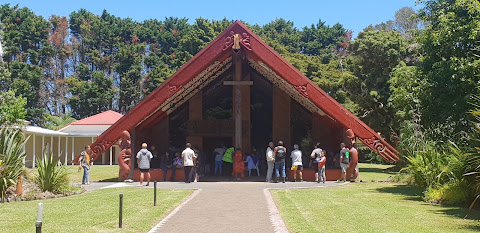
Ko Putahi te maunga, Ko te pū o te wheke he maunga tapu. I whakapupūtahitanga o ngā rangatira o Ngapuhi. Ko Mamari te waka, Waiorooro te awa, Kohewhata te Marae, Ko Te Uri o Hua, Takatoke, Ngati Kura ngā hapu Ko Rahiri te tupuna ka moe i a Ahuaiti ka puta ko Uenuku Hamiora Paratene raua ko Meeri Maaka oku tupuna Ronald Te Ripi Wihongi raua ko Kataraina oku matua Ko Mary Wihongi ahau. Ko Kaikohe ahau ko ahau ko Kaikohe.
My Growth Cycle encompasses the question based on student needs and abilities to learn and develop the knowledge and skills necessary for their own personal, cultural and educational growth. It seeks to provide a wide range of learning strategies, experiences and expected outcomes. The Big question: “How can I give students the knowledge and strategies that will enable them to engage confidently in simple and ongoing conversations in te reo?” I have too often observed students who lack the vocab and the sentence structures necessary to be able to engage in basic conversations in Te Reo Maori. There are many reasons why our students are in these positions. The following share a small window of some underlying issues that challenge the effectiveness of te reo programmes and resources being equitable for the learning and development of fluency in Mainstream medium schools for young Maori students. Their first language is English Families are not confident reo speakers Te...